Why Professional Carpet Cleaning Is About Much More Than Clean Carpets

August 6, 2026

The Science Behind Healthier Homes, Better Indoor Air Quality, and Longer Carpet Life

When homeowners search for carpet cleaning near me, they usually want one thing:


They want their carpets to look clean again.


At HSquared Carpet Cleaning, we believe that’s only a small part of what professional carpet cleaning should accomplish.


Professional carpet cleaning is about removing contaminants that ordinary vacuuming leaves behind, improving indoor air quality, protecting your investment, eliminating odors, and restoring the appearance and feel of your home.


Whether you have children, pets, allergies, or simply want a cleaner home, understanding how carpet cleaning really works can help you make better decisions.


Why Vacuuming Alone Isn’t Enough

Even the best residential vacuum removes only a portion of the dirt trapped inside carpet fibers.


Over time, carpets collect:


  • Dust
  • Sand
  • Soil
  • Pet dander
  • Pollen
  • Food particles
  • Skin cells
  • Bacteria
  • Oils from shoes
  • Allergens
  • Odor-causing organic matter

Many of these contaminants settle deep into the carpet backing where ordinary vacuum cleaners simply cannot reach.


As people continue walking across the carpet, those particles become abrasive, slowly wearing away carpet fibers much like sandpaper.


This is one of the biggest reasons carpets begin looking old years before they actually wear out.


The HSquared Carpet Cleaning Difference

At HSquared Carpet Cleaning, we don’t believe in simply spraying soap and rinsing.


We use a multi-step professional cleaning process designed to safely remove the maximum amount of soil while protecting your carpet.


Our cleaning process may include:


Professional Pre-Inspection

Every carpet is different.


We identify:


  • Fiber type
  • Heavy traffic lanes
  • Pet damage
  • Spotting
  • Previous cleaning residues
  • Areas requiring specialty treatment

This allows us to customize the cleaning rather than using a one-size-fits-all approach.


Professional Pre-Treatment

Not all dirt is created equal.


Professional cleaning solutions break down:


  • Oils
  • Grease
  • Food residue
  • Organic contaminants
  • Heavy traffic soils

Allowing them to be removed instead of simply moved around.


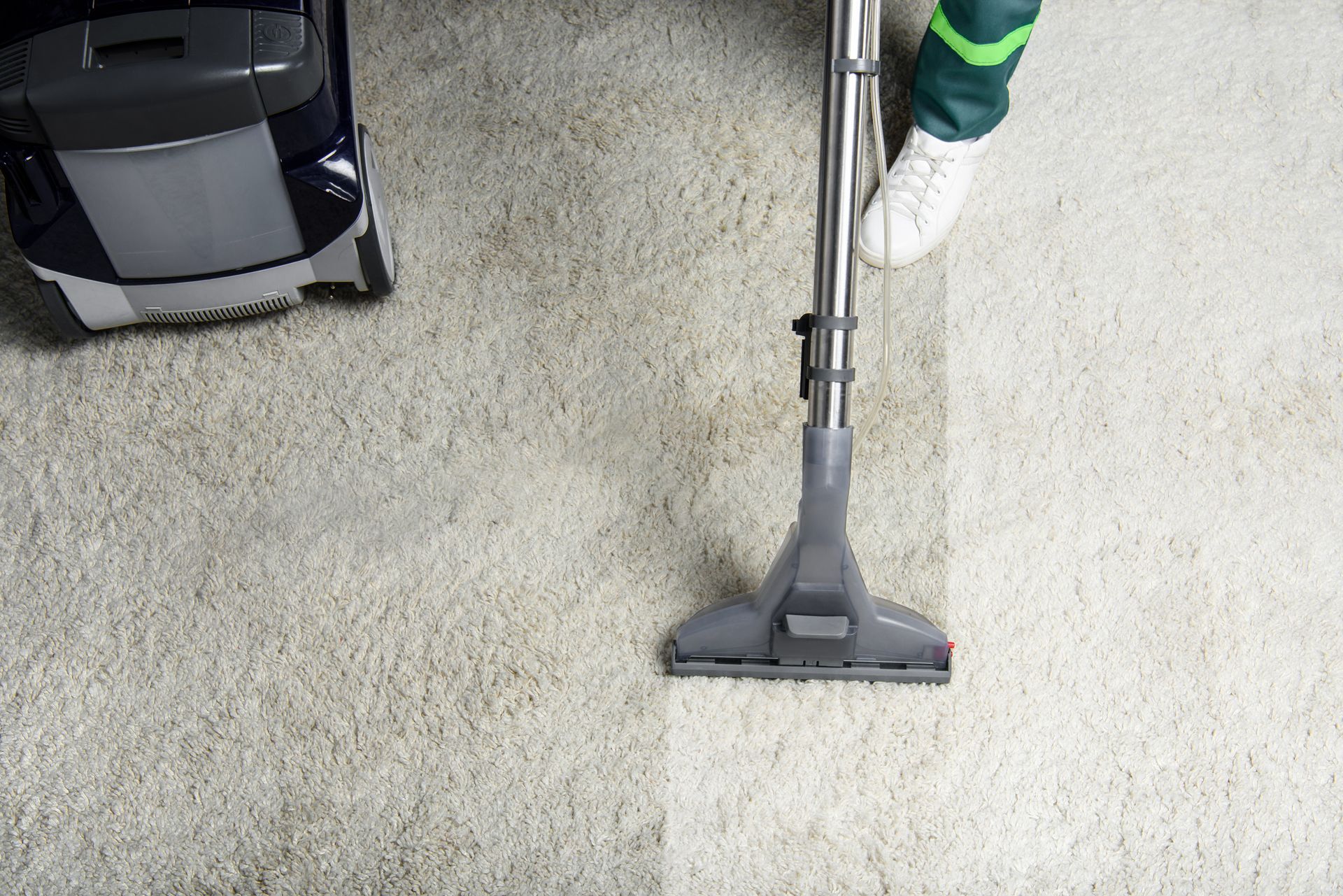
Counter Rotating Brush (CRB) Agitation

One of the biggest differences in our process is the use of a Counter Rotating Brush (CRB) machine.


The CRB gently lifts carpet fibers while:


  • Pulling embedded hair
  • Removing trapped soil
  • Evenly distributing cleaning solution
  • Loosening stubborn contamination
  • Standing the carpet pile upright

This dramatically increases the effectiveness of hot water extraction.


Many companies skip this step.


We don’t.


Hot Water Extraction

Often referred to as “steam cleaning,” professional hot water extraction is considered the preferred deep-cleaning method for most carpet manufacturers.


Using professional truck-mounted equipment, we:


  • Flush contaminants from deep within the carpet
  • Remove cleaning solution
  • Extract allergens
  • Remove pet contamination
  • Reduce bacteria
  • Leave minimal residue behind

Our powerful extraction equipment removes significantly more moisture than rental machines, helping carpets dry faster.


Post-Clean Grooming and Pile Lifting

After extraction, we often perform another CRB pass to:


  • Lift the carpet pile
  • Improve appearance
  • Speed drying
  • Reduce matting
  • Leave the carpet looking more uniform

This extra step is one reason customers frequently tell us their carpet looks “almost new.”


Carpet Cleaning Helps Improve Indoor Air Quality

Your carpet acts like a giant air filter.


It traps:


  • Dust
  • Pollen
  • Pet allergens
  • Outdoor pollutants
  • Airborne debris

While this is beneficial, eventually that filter becomes full.


Professional deep cleaning removes these trapped particles, helping create a cleaner indoor environment.


This can be especially valuable for:


  • Families with children
  • Pet owners
  • Allergy sufferers
  • Asthma-sensitive households
  • Elderly family members

Pet Odor Removal Is Different Than Carpet Cleaning

One of the biggest misconceptions is believing regular carpet cleaning removes pet urine odors.


Unfortunately, once urine reaches the carpet pad or subfloor, ordinary cleaning alone often isn’t enough.


At HSquared Carpet Cleaning, we specialize in:


  • Pet urine detection
  • Odor source identification
  • Professional urine treatments
  • Deep extraction
  • Advanced odor elimination
  • Severe odor restoration

Our goal isn’t to cover odors with fragrance.


Our goal is to eliminate the source whenever possible.


Why Fast Dry Times Matter

Leaving excessive moisture in carpet can create problems.


That’s why we focus on:


  • Powerful extraction
  • Proper cleaning chemistry
  • Controlled water usage
  • Multiple dry passes
  • Air movement recommendations

Most professionally cleaned carpets dry far faster than many homeowners expect.


Professional Carpet Cleaning Protects Your Investment

Replacing carpet can cost thousands of dollars.


Routine professional cleaning helps:


  • Preserve carpet fibers
  • Reduce abrasive wear
  • Improve appearance
  • Extend carpet life
  • Protect manufacturer warranties
  • Delay costly replacement

Many carpet manufacturers recommend professional cleaning every 12 to 18 months.


Homes with pets, children, or heavy traffic often benefit from more frequent service.


Why Experience Matters

Professional equipment is only part of the equation.


Knowing:


  • Which cleaning chemistry to use
  • How much moisture to apply
  • How to remove difficult stains
  • When to use specialty spotting agents
  • How to safely clean different carpet fibers


comes from training and experience.


At HSquared Carpet Cleaning, we continually invest in better equipment, better education, and better cleaning methods so our customers receive the highest level of service possible.

Frequently Asked Questions

  • How often should carpet be professionally cleaned?

    Most homes benefit from professional cleaning every 12 to 18 months. Homes with pets, children, allergies, or high foot traffic may benefit from cleaning every 6 to 12 months.

  • Does professional carpet cleaning remove pet odors?

    Surface odors often can be removed during cleaning, but deep urine contamination may require specialized odor treatments to completely eliminate the source.

  • Is hot water extraction safe for carpet?

    Yes. When performed correctly with professional equipment, hot water extraction is one of the safest and most effective methods available for most residential carpets.

  • Will professional carpet cleaning remove stains?

    Many stains can be significantly improved or completely removed depending on the type of stain, how long it has been present, and whether previous cleaning attempts altered it.

  • How long before I can walk on my carpet?

    Light foot traffic is usually acceptable shortly after cleaning with clean indoor footwear, although allowing carpets to dry completely provides the best results.

Why Homeowners Choose HSquared Carpet Cleaning

Our mission is simple:


Deliver the cleanest carpets possible while providing honest recommendations, exceptional customer service, and industry-leading cleaning methods.


From carpet cleaning and upholstery cleaning to tile cleaning, pet odor removal, water extraction, and advanced odor elimination, our team is committed to helping homeowners enjoy cleaner, healthier homes.


If you’re looking for professional carpet cleaning that goes beyond surface appearance, we’d love the opportunity to earn your business.


HSquared Carpet Cleaning

Cleaner Carpets. Healthier Homes. Better Results.


Share Post

Recent Posts
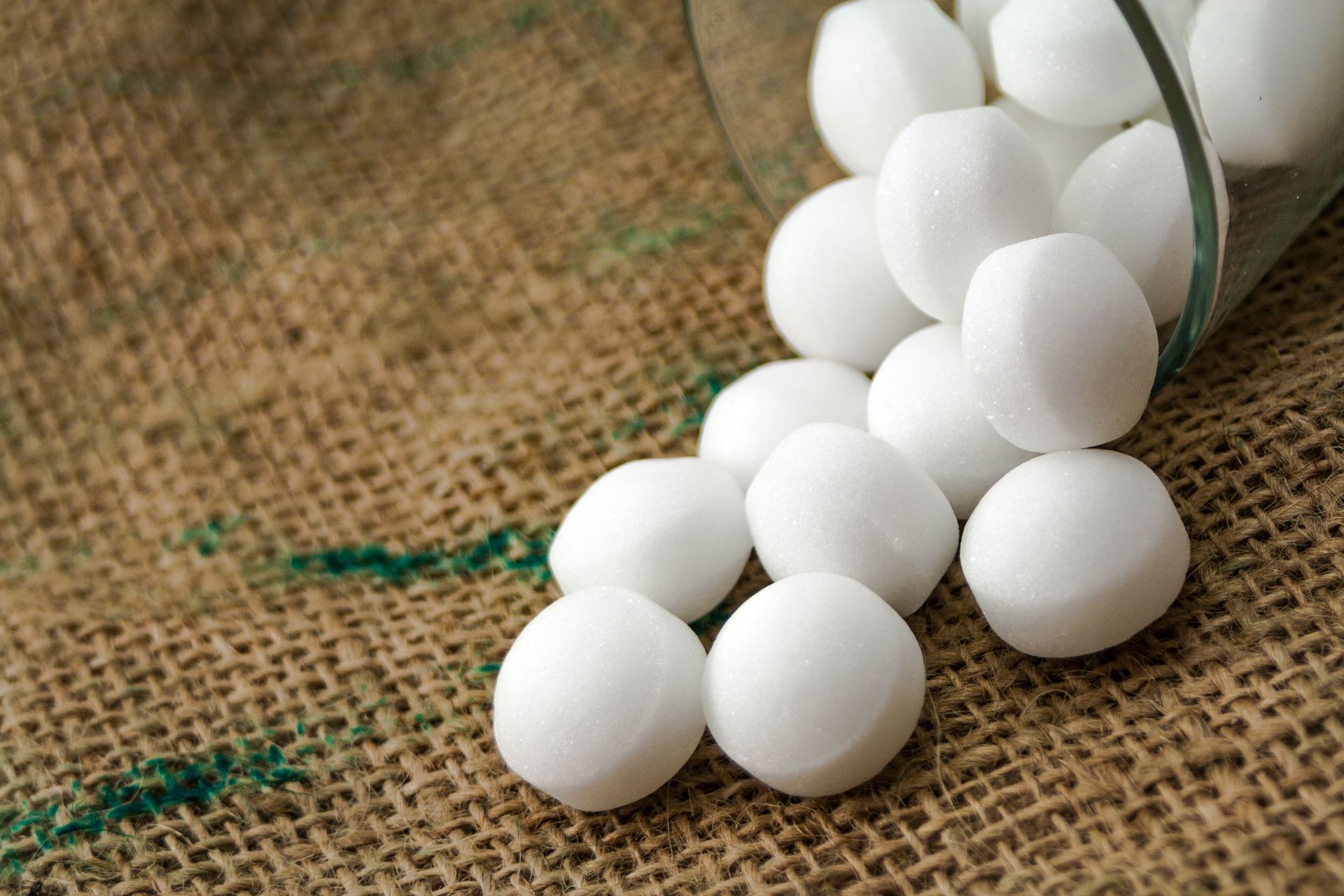
White balls spilling from a clear glass jar onto burlap fabric
September 18, 2026
Mothball odor should be treated as evidence of a pesticide source—not merely an unpleasant smell. First locate the mothballs, flakes or treated stored materials. Follow the product label and local disposal guidance, ventilate the affected space, clean appropriate surfaces and evaluate porous contents that continue releasing odor. Air treatment should be considered only after the pesticide source has been removed and the property is safe to occupy. Why Mothballs Produce Such a Persistent Odor Mothballs sold in the United States commonly contain naphthalene or paradichlorobenzene. These solid chemicals gradually become vapor at room temperature. They are intended to create a concentrated pesticide atmosphere inside an airtight storage container. When scattered through a closet, attic, crawlspace, vehicle or room, those vapors escape into the occupied environment. The National Pesticide Information Center explains that mothballs are intended for closed, airtight containers and can harm people, pets or wildlife when used in the open. Read NPIC’s mothball guidance⁠ . First Address Possible Exposure Leave the affected area and obtain medical or emergency guidance when anyone develops concerning symptoms or when a child may have swallowed or handled a mothball. Do not intentionally inhale the odor to locate its strongest point. For a suspected human exposure, contact Poison Control online or call 1-800-222-1222 . Assistance is free and available nationwide. See Poison Control’s mothball instructions⁠ . Contact a veterinarian or animal poison service when a pet may have been exposed. Common Places the Source Hides Inspect only safely accessible areas such as: • Garment bags • Storage trunks • Plastic bins • Closets and drawers • Wool blankets and rugs • Stored uniforms • Suitcases • Upholstered furniture • Boxes of seasonal clothing • Attic storage • Crawlspace storage • Vehicles, campers and boats • Cabinets previously used for pesticide storage Loose flakes can settle into cracks, carpet edges and furniture joints. An apparently empty container may also retain residue. The Correct Removal Sequence 1. Identify the product Locate the original package when possible and read its active ingredient, directions, warnings and disposal instructions. Do not assume that every mothball-like odor comes from the same chemical. 2. Restrict access Keep children, pets and uninvolved occupants away from loose products and contaminated storage areas. Do not pick up unidentified pesticide material with bare hands or place it into an unmarked household container. 3. Remove the pesticide source properly Follow the label and local waste-disposal requirements. Do not burn mothballs, flush them, scatter them outdoors or mix them with another chemical. NPIC notes that using mothballs in non-airtight containers allows pesticide vapors into the surrounding air and can create long-term exposure. Review its proper-use guidance⁠ . 4. Ventilate when it can be done safely After the physical product has been removed, use controlled outdoor-air ventilation when weather, security and building conditions permit. Ventilation may require more time when: • Large quantities were used • The property remained closed • Temperatures were high • Stored materials absorbed vapor • Products were scattered in a crawlspace or attic • HVAC operation distributed the odor Ventilation reduces airborne concentration but does not remove pesticide material still hidden in the building. 5. Separate contaminated contents Move affected belongings only when they can be handled safely without spreading loose pesticide residue. Sort items into: • Washable textiles • Hard, cleanable objects • Upholstery and mattresses • Paper and cardboard • Unfinished wood • Rugs • Items with inaccessible filling or insulation Follow manufacturer instructions for laundering or cleaning. Some porous contents may continue releasing odor and require professional evaluation or disposal. 6. Clean compatible surfaces Cleaning should physically remove residue from appropriate hard surfaces. Do not apply water, solvent or detergent until the surface and suspected pesticide are understood. Electrical equipment, unfinished wood and sensitive fabrics require special consideration. 7. Reassess the complete structure If the odor persists, inspect whether contamination reached: • Carpet and cushion • Subfloor • Baseboards • Closets • Wall cavities • HVAC returns • Upholstery • Cabinets • Attic insulation • Crawlspace materials • Stored cardboard and paper Source Removal Versus Air Treatment An air purifier, fragrance or deodorizing fog cannot remove loose mothballs or pesticide residue. Air treatment also cannot: • Correct off-label pesticide use • Clean contaminated fabric • Remove material beneath flooring • Replace affected insulation • Establish that exposure conditions are acceptable • Determine whether a porous possession should be retained • Replace medical, poison-control or pesticide-professional guidance The source must be located and removed first. Where Chlorine Dioxide May Fit Professionally controlled chlorine-dioxide treatment may be considered for certain residual odors only after: • All mothballs and loose pesticide material are removed • Improper pesticide use has ended • Contaminated materials are cleaned, removed or isolated appropriately • Exposure concerns have been addressed • The treatment area can be fully controlled Chlorine dioxide does not neutralize an ongoing pesticide source or certify that a building is safe. Never combine mothballs with chlorine-dioxide products or attempt an improvised treatment. Gas-phase chlorine-dioxide work requires an unoccupied, controlled area. People, pets and plants must remain outside, followed by proper ventilation and clearance before re-entry. What Not to Do Avoid: • Covering the odor with fragrance • Scattering additional absorbent powder • Vacuuming unidentified loose pesticide material • Burning or heating mothballs • Flushing them into plumbing • Moving them into an unmarked container • Mixing them with bleach, ammonia, peroxide or another pesticide • Spraying chemicals into a closet or HVAC return • Sealing active contamination inside a wall or floor • Operating ozone or chlorine-dioxide treatment in an occupied property • Assuming disappearance of the smell proves the property is clear • Returning children or pets before exposure concerns are addressed North Carolina Relevance North Carolina homes commonly contain closets, attics, crawlspaces and outbuildings used for seasonal storage. Warm conditions can increase vapor release, while closed, air-conditioned rooms may redistribute odor through return-air pathways. Humidity can also make contaminated textiles and unfinished wood harder to air out. Mountain properties around Asheville and Hendersonville may contain inherited furniture, stored wool goods and seasonal homes that remained closed for extended periods. Property managers should document: • Product name and active ingredient • Quantity and location • How the product was used • Occupancy and exposure reports • Materials removed • Cleaning performed • Ventilation period • Remaining odor locations • Professional recommendations When Professional Help Is Appropriate Contact Poison Control, a medical professional or a veterinarian when exposure may have occurred. Contact a licensed pest-management or environmental professional when: • Large quantities were scattered • The product was used outside its labeled directions • Loose material entered insulation or concealed cavities • The active ingredient is unknown • Cleanup requirements are uncertain • Occupancy safety needs professional evaluation Contact No Scents when: • The pesticide source has been removed • Odor remains in salvageable contents or building materials • Several rooms or HVAC pathways are affected • A rental or inherited property needs documented odor mapping • Cleaning-versus-removal decisions are required • Controlled residual-odor treatment may be appropriate Frequently Asked Questions
September 15, 2026
Carpet can appear dark from one side of a room and light from the other because the pile yarn is lying in different directions. Light reflects from the sides and tips of the yarn differently. This creates an apparent color change even when the fibers contain no additional soil or stain. Temporary vacuum or grooming marks often improve when the pile is redirected. Permanent pile reversal—also called watermarking, pooling or shading—generally cannot be removed through cleaning. The Viewing-Direction Test Before applying a cleaner, examine the carpet from opposite sides of the room. If the same area: Looks dark from one direction Looks light from the opposite direction Changes when you walk around it Resembles a water spill but feels dry Has no clear boundary associated with an actual spill …the appearance may involve pile direction rather than deposited soil. The Carpet and Rug Institute explains that pile reversal changes how light reflects from the yarn and may create light and dark areas resembling watermarks. It can affect any pile-yarn carpet but is particularly noticeable in dense, smooth plush styles. Review CRI’s technical explanation⁠ . Five Conditions That Can Look Similar 1. Temporary grooming or vacuum marks A vacuum, carpet rake or cleaning wand can temporarily position yarn in one direction. These orderly lines generally follow the equipment’s travel path. They may become less noticeable as the carpet is walked on, vacuumed normally or gently groomed. 2. Footprints and tracking Soft, dense carpet readily shows footprints because each step bends the pile. This is a characteristic of the construction, not necessarily premature wear. 3. Permanent pile reversal In pile reversal, sections of yarn change direction and create irregular light-and-dark shapes. CRI says this appearance change can be difficult or impossible to predict or prevent. The pattern may resemble: A spilled liquid Clouds Pools Irregular islands Sections viewed under different lighting Cleaning does not permanently redirect yarn that has developed true pile reversal. 4. Traffic-lane wear Abrasion, crushing and loss of texture can also change light reflection. Unlike pile reversal, wear usually follows walking patterns and may remain dull from several viewing directions. Cleaning can remove soil but cannot rebuild worn yarn. 5. Soil, residue or color damage A dark area that remains dark from every direction may contain soil, oil or residue. A light area may instead involve dye loss, bleaching or fading. Correct diagnosis matters because cleaning cannot restore color that has been chemically removed. Why It May Become Noticeable After Cleaning Customers sometimes first notice shading after a professional cleaning. Timing alone does not establish that cleaning created permanent pile reversal. The contrast may become more visible because: Soil that previously muted the surface has been removed The pile was freshly groomed Furniture was moved Window light reaches more of the carpet The room is being viewed from a different direction Wet yarn temporarily reflects light differently Existing wear is easier to see against a clean surface The carpet should be allowed to dry completely before its final appearance is evaluated. Can Pile Reversal Be Corrected? The answer depends on the condition. Temporary pile-direction marks Careful grooming and normal use may improve orderly cleaning, vacuum or footprint marks. Soil or residue Professional cleaning may help when the darker appearance is caused by removable material. Crushing Professional agitation or pile lifting may improve some crushed carpet, although severely distorted yarn may not fully recover. Permanent pile reversal True watermarking is normally an appearance characteristic rather than removable contamination. Repeated cleaning, stronger chemistry and aggressive brushing will not permanently change the yarn’s established direction. Replacement may be the only way to eliminate a severe permanent pattern, and the replacement carpet could eventually develop its own shading. Practical Customer Steps 1. View the carpet from opposite sides of the room. 2. Compare the area in daylight and ordinary interior lighting. 3. Confirm that the carpet is completely dry. 4. Photograph it from at least two directions. 5. Note whether the pattern follows traffic, a spill or equipment lines. 6. Check whether gentle hand grooming changes the appearance. 7. Document recent spills, spot treatments and furniture movement. 8. Arrange an inspection before applying another product. What Not to Do Avoid: Saturating the apparent watermark Applying bleach, peroxide or strong spot remover Scrubbing with a stiff brush Using high heat to redirect the pile Repeatedly recleaning a dry optical pattern Assuming every dark area is soil Assuming every light area is fading Cutting, shaving or trimming the carpet pile Filing a damage claim before the carpet has dried and been evaluated Promising that cleaning can eliminate permanent pile reversal North Carolina Relevance Large windows and strong sunlight can make pile-direction differences especially visible in North Carolina homes. Humidity can also extend drying time, complicating an immediate post-cleaning evaluation. In vacant rentals, keeping the HVAC off may leave the carpet damp longer and make temporary shading more noticeable. Property managers should document: Viewing direction Lighting conditions Whether the carpet is dry Traffic patterns Recent cleaning or spills Fiber and construction information Photographs from opposite sides Whether grooming changes the appearance When Professional Help Is Appropriate Contact HSquared when: Carpet resembles a water spill but is dry Dark and light areas change with viewing direction The condition appeared noticeable after cleaning Soil, wear and dye loss must be distinguished A rental requires a cleaning-versus-replacement assessment Carpet crushing or texture loss is present A recent water loss may have affected the carpet or cushion Several homeowner products have already been applied Frequently Asked Questions
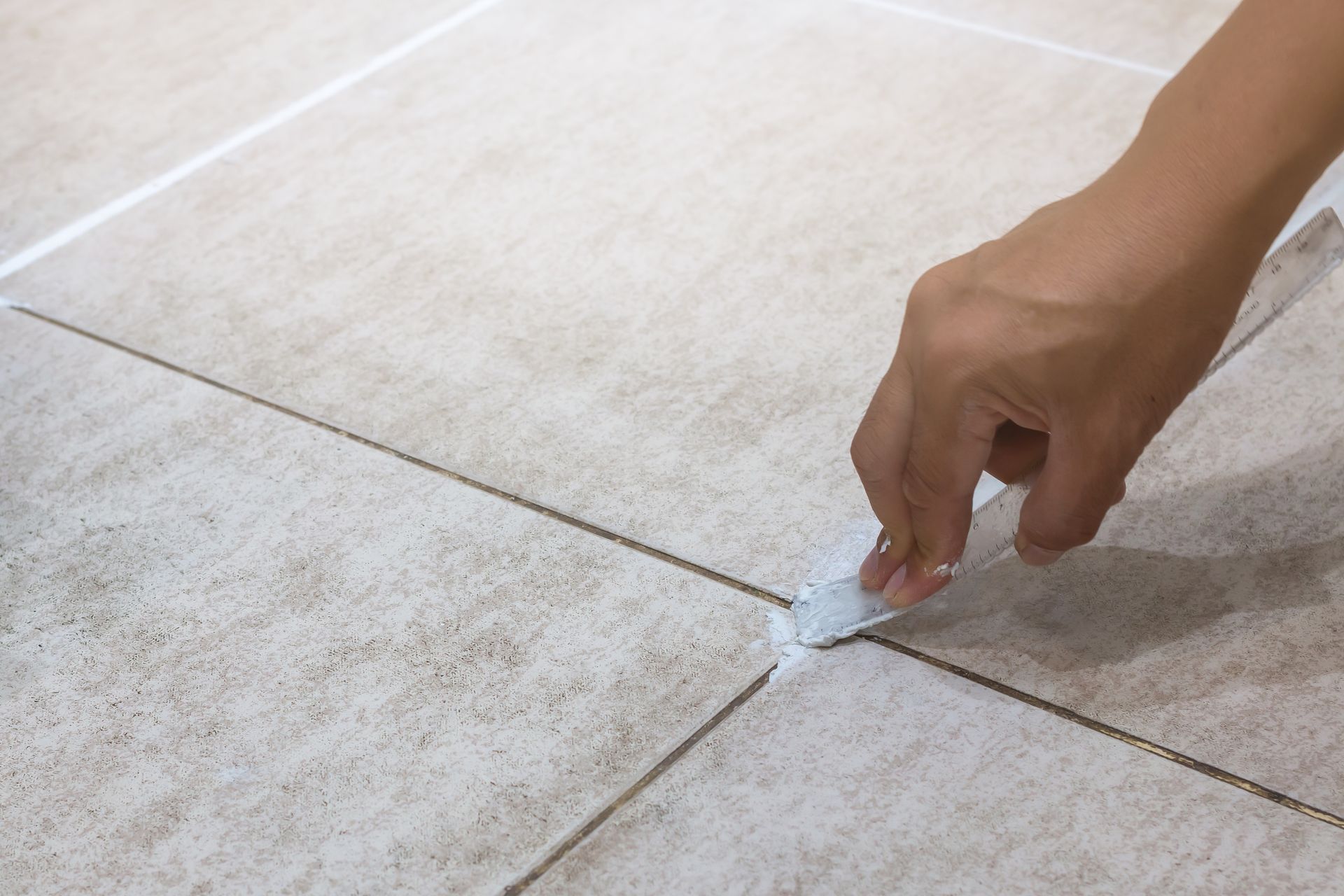
DIY - Repair old tile grout
September 11, 2026
White powder on cement-based grout is often efflorescence: soluble mineral salts carried to the surface by moisture and left behind when the water evaporates.
More Posts