Why Combining a CRB Machine with Hot Water Extraction (HWE) Delivers the Best Carpet Cleaning Results

August 3, 2026

The Science Behind the “PowerScrub & PileLift” Process

If you’ve ever wondered why some carpets look clean for only a few days while others stay cleaner, softer, and fresher for months, the answer often comes down to how the carpet is cleaned—not simply what machine is used.


At HSQUARED Carpet Cleaning, we’ve developed a process we call the PowerScrub & PileLift System, combining a Counter Rotating Brush (CRB) machine with Hot Water Extraction (HWE) to achieve a level of cleaning that exceeds traditional steam cleaning alone.


Simply put, we use the CRB twice during the cleaning process:

Before extraction as the PowerScrub

After extraction as the PileLift

This combination consistently produces cleaner carpets, faster drying times, improved appearance, and longer-lasting results.


Step 1: The PowerScrub

Mechanical Agitation Before Hot Water Extraction

Every professional carpet cleaning should begin with applying a premium pre-spray designed to loosen:

• Dirt

• Oils

• Food residues

• Pet contamination

• Body oils

• Traffic lane buildup

But applying chemistry alone isn’t enough.


The cleaning solution needs mechanical agitation to work into every carpet fiber.

That’s where the CRB machine shines.


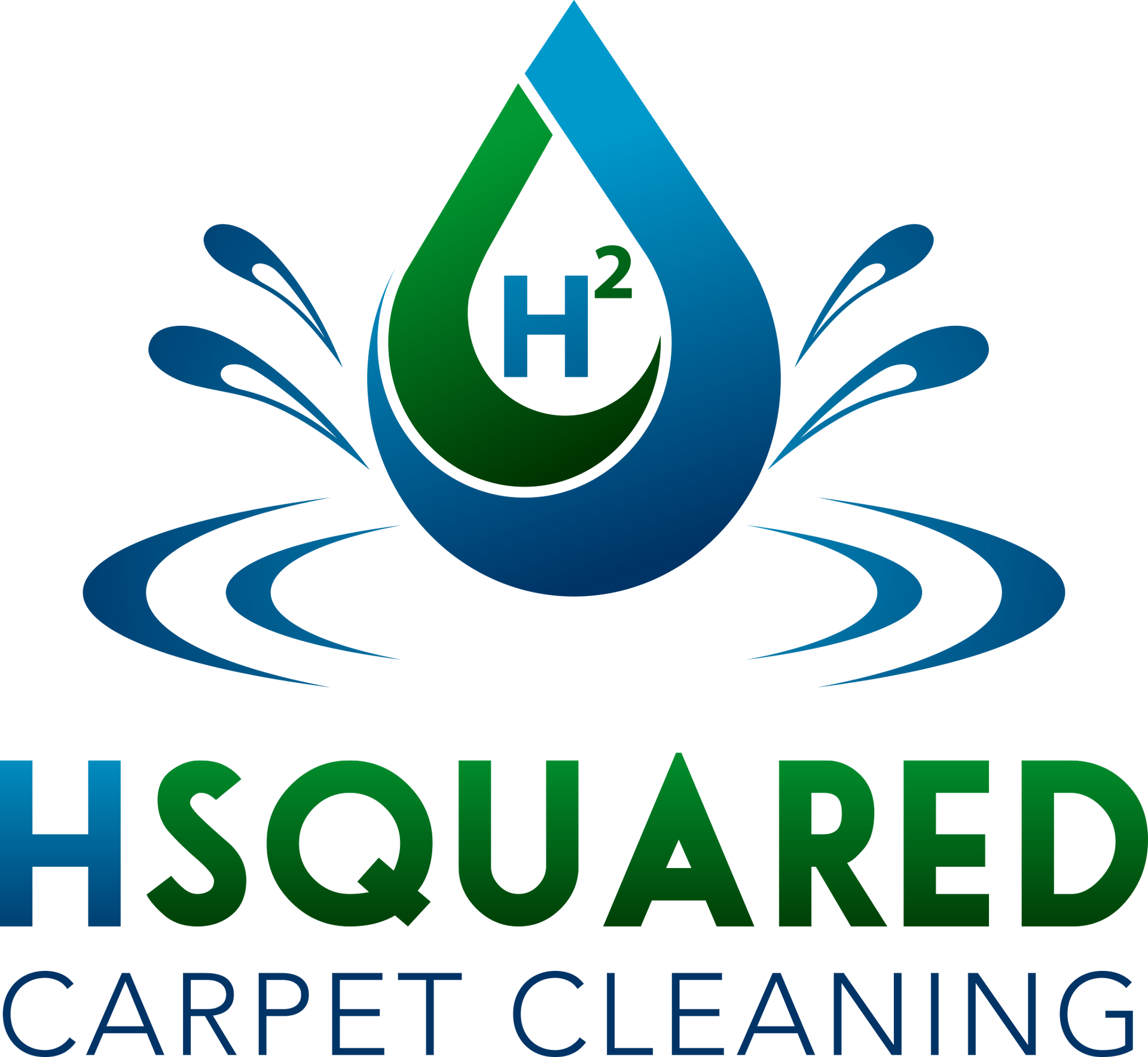
Unlike a standard rotary brush, a Counter Rotating Brush (CRB) uses two cylindrical brushes rotating in opposite directions. This unique action gently lifts the carpet pile while aggressively scrubbing every fiber from multiple directions.

The result is dramatically improved soil suspension before extraction even begins.


During the PowerScrub the CRB:

• Opens compressed carpet fibers

• Separates matted yarns

• Breaks apart sticky soils

• Distributes pre-spray evenly

• Removes hair before extraction

• Pulls sand and grit upward

• Releases embedded debris

• Works chemistry deeper into the carpet

Instead of allowing the hot water extractor to fight compacted soil alone, the CRB prepares the carpet so extraction becomes significantly more effective.


Think of it as loosening dried mud before rinsing a vehicle.


Step 2: Hot Water Extraction (HWE)

The Gold Standard of Carpet Cleaning

Hot Water Extraction—often called steam cleaning—is recognized by most major carpet manufacturers as the preferred restorative cleaning method.


A professional truck-mounted or portable extractor uses:

• Heated water

• Controlled pressure

• Cleaning solution

• High-powered vacuum recovery

This process removes:

• Suspended soil

• Allergens

• Dust mites

• Pet dander

• Bacteria

• Cleaning solution

• Contaminants trapped deep in the carpet

Because the CRB has already loosened the soil, the extractor removes significantly more contamination while requiring fewer wet passes.

Benefits include:

• Better soil removal

• Reduced overwetting

• Faster drying

• Less wicking

• Longer carpet life


Step 3: The PileLift

Finishing the Carpet the Right Way

Most carpet cleaners stop after extraction.

We don’t.

Immediately after Hot Water Extraction, we run the CRB over the carpet one final time.


This step is called the PileLift.


Although the carpet is now clean, the fibers are still damp and slightly compressed from extraction.

Running the CRB again restores the carpet’s appearance while improving drying.


The PileLift:

• Stands fibers upright

• Eliminates wand marks

• Removes grooming streaks

• Creates uniform appearance

• Speeds evaporation

• Improves airflow around fibers

• Leaves carpet softer

• Produces a more luxurious finish

Many homeowners are surprised how much softer and fluffier their carpet feels after this final step.


Why This Combination Outperforms Steam Cleaning Alone

Traditional steam cleaning relies almost entirely on water pressure and vacuum.

Our PowerScrub & PileLift System adds mechanical cleaning, one of the four essential elements of professional carpet cleaning:

  1. Chemistry
  2. Heat
  3. Mechanical agitation
  4. Time

Removing one of these components reduces cleaning effectiveness.

The CRB supplies the mechanical action that many cleaning companies skip.

The result is a more complete cleaning process.


Benefits of the CRB + HWE Method

Compared to Hot Water Extraction alone, combining a CRB machine before and after extraction can provide:

• Improved soil removal

• Better removal of embedded sand

• Enhanced pet hair removal

• Increased effectiveness of cleaning solutions

• More consistent appearance

• Less traffic lane shading

• Reduced fiber distortion

• Faster dry times

• Better grooming

• Reduced soil wicking

• Longer-lasting cleanliness

• Improved carpet texture

• Better indoor air quality by removing more particulate matter

• Increased carpet longevity


Ideal for Homes with Pets

Homes with dogs and cats benefit tremendously from the CRB process.


Pet hair wraps around carpet fibers and often resists vacuuming alone.


The counter-rotating brushes pull trapped hair upward before extraction begins, allowing the extractor to remove more contamination.


For pet urine treatments, the PowerScrub also helps distribute specialty odor-neutralizing products evenly throughout the carpet fibers before flushing.


Commercial Carpet Cleaning Advantages

Commercial carpets experience:

• Heavy foot traffic

• Oily soils

• Fine grit

• Food residues

• Coffee spills

• Entryway contamination

Using the CRB before extraction restores traffic lanes more effectively while helping commercial carpet maintain its appearance longer between cleanings.


Protecting Your Carpet Investment

Carpet is one of the largest investments inside a home.


Tiny particles of sand act like sandpaper under foot traffic, slowly wearing away carpet fibers.


Removing this abrasive soil extends carpet life while maintaining appearance.


The PowerScrub process is especially effective at bringing these particles to the surface before extraction.


Why HSQUARED Uses This System

At HSQUARED Carpet Cleaning, we believe outstanding results come from combining the right equipment, chemistry, training, and process.

Our PowerScrub & PileLift System combines:

• Professional Counter Rotating Brush (CRB) technology

• Premium pre-conditioning solutions

• Commercial-grade Hot Water Extraction

• Fiber grooming

• Professional drying techniques

• Advanced odor treatment when needed

The result is carpets that are not only visibly cleaner but also healthier, softer, fresher, and longer-lasting.

Frequently Asked Questions

  • Is a CRB better than steam cleaning?

    A CRB is not a replacement for Hot Water Extraction. It enhances the cleaning process by mechanically agitating carpet fibers before extraction and restoring the pile afterward. Used together, they provide superior results.

  • Does the CRB damage carpet?

    No. Professional CRB machines are designed to clean carpet fibers gently while lifting and separating them. When used correctly by trained technicians, they are safe for most residential and commercial carpet types.

  • Does the CRB help carpets dry faster?

    Yes. The final PileLift pass separates damp fibers, increases airflow, and helps moisture evaporate more efficiently, contributing to faster drying times.

  • Is this method recommended for pet owners?

    Absolutely. Homes with pets often see significant benefits because the CRB helps remove embedded pet hair and improves the effectiveness of pet odor treatment solutions before extraction.

Final Thoughts

When homeowners search for the best carpet cleaning method, the answer isn’t choosing between CRB and Hot Water Extraction—it’s combining both.


The PowerScrub & PileLift System uses the strengths of each technology at the right moment in the cleaning process. Mechanical agitation before extraction maximizes soil removal, while post-extraction pile lifting restores carpet texture and accelerates drying.


The result is cleaner carpets, healthier indoor environments, improved appearance, and longer-lasting performance.


If you’re looking for professional carpet cleaning that goes beyond traditional steam cleaning, ask whether your cleaner uses a Counter Rotating Brush (CRB) before and after Hot Water Extraction. The difference is visible, measurable, and something you’ll feel every time you walk across your carpet.


Share Post

Recent Posts
September 15, 2026
Carpet can appear dark from one side of a room and light from the other because the pile yarn is lying in different directions. Light reflects from the sides and tips of the yarn differently. This creates an apparent color change even when the fibers contain no additional soil or stain. Temporary vacuum or grooming marks often improve when the pile is redirected. Permanent pile reversal—also called watermarking, pooling or shading—generally cannot be removed through cleaning. The Viewing-Direction Test Before applying a cleaner, examine the carpet from opposite sides of the room. If the same area: Looks dark from one direction Looks light from the opposite direction Changes when you walk around it Resembles a water spill but feels dry Has no clear boundary associated with an actual spill …the appearance may involve pile direction rather than deposited soil. The Carpet and Rug Institute explains that pile reversal changes how light reflects from the yarn and may create light and dark areas resembling watermarks. It can affect any pile-yarn carpet but is particularly noticeable in dense, smooth plush styles. Review CRI’s technical explanation⁠ . Five Conditions That Can Look Similar 1. Temporary grooming or vacuum marks A vacuum, carpet rake or cleaning wand can temporarily position yarn in one direction. These orderly lines generally follow the equipment’s travel path. They may become less noticeable as the carpet is walked on, vacuumed normally or gently groomed. 2. Footprints and tracking Soft, dense carpet readily shows footprints because each step bends the pile. This is a characteristic of the construction, not necessarily premature wear. 3. Permanent pile reversal In pile reversal, sections of yarn change direction and create irregular light-and-dark shapes. CRI says this appearance change can be difficult or impossible to predict or prevent. The pattern may resemble: A spilled liquid Clouds Pools Irregular islands Sections viewed under different lighting Cleaning does not permanently redirect yarn that has developed true pile reversal. 4. Traffic-lane wear Abrasion, crushing and loss of texture can also change light reflection. Unlike pile reversal, wear usually follows walking patterns and may remain dull from several viewing directions. Cleaning can remove soil but cannot rebuild worn yarn. 5. Soil, residue or color damage A dark area that remains dark from every direction may contain soil, oil or residue. A light area may instead involve dye loss, bleaching or fading. Correct diagnosis matters because cleaning cannot restore color that has been chemically removed. Why It May Become Noticeable After Cleaning Customers sometimes first notice shading after a professional cleaning. Timing alone does not establish that cleaning created permanent pile reversal. The contrast may become more visible because: Soil that previously muted the surface has been removed The pile was freshly groomed Furniture was moved Window light reaches more of the carpet The room is being viewed from a different direction Wet yarn temporarily reflects light differently Existing wear is easier to see against a clean surface The carpet should be allowed to dry completely before its final appearance is evaluated. Can Pile Reversal Be Corrected? The answer depends on the condition. Temporary pile-direction marks Careful grooming and normal use may improve orderly cleaning, vacuum or footprint marks. Soil or residue Professional cleaning may help when the darker appearance is caused by removable material. Crushing Professional agitation or pile lifting may improve some crushed carpet, although severely distorted yarn may not fully recover. Permanent pile reversal True watermarking is normally an appearance characteristic rather than removable contamination. Repeated cleaning, stronger chemistry and aggressive brushing will not permanently change the yarn’s established direction. Replacement may be the only way to eliminate a severe permanent pattern, and the replacement carpet could eventually develop its own shading. Practical Customer Steps 1. View the carpet from opposite sides of the room. 2. Compare the area in daylight and ordinary interior lighting. 3. Confirm that the carpet is completely dry. 4. Photograph it from at least two directions. 5. Note whether the pattern follows traffic, a spill or equipment lines. 6. Check whether gentle hand grooming changes the appearance. 7. Document recent spills, spot treatments and furniture movement. 8. Arrange an inspection before applying another product. What Not to Do Avoid: Saturating the apparent watermark Applying bleach, peroxide or strong spot remover Scrubbing with a stiff brush Using high heat to redirect the pile Repeatedly recleaning a dry optical pattern Assuming every dark area is soil Assuming every light area is fading Cutting, shaving or trimming the carpet pile Filing a damage claim before the carpet has dried and been evaluated Promising that cleaning can eliminate permanent pile reversal North Carolina Relevance Large windows and strong sunlight can make pile-direction differences especially visible in North Carolina homes. Humidity can also extend drying time, complicating an immediate post-cleaning evaluation. In vacant rentals, keeping the HVAC off may leave the carpet damp longer and make temporary shading more noticeable. Property managers should document: Viewing direction Lighting conditions Whether the carpet is dry Traffic patterns Recent cleaning or spills Fiber and construction information Photographs from opposite sides Whether grooming changes the appearance When Professional Help Is Appropriate Contact HSquared when: Carpet resembles a water spill but is dry Dark and light areas change with viewing direction The condition appeared noticeable after cleaning Soil, wear and dye loss must be distinguished A rental requires a cleaning-versus-replacement assessment Carpet crushing or texture loss is present A recent water loss may have affected the carpet or cushion Several homeowner products have already been applied Frequently Asked Questions
DIY - Repair old tile grout
September 11, 2026
White powder on cement-based grout is often efflorescence: soluble mineral salts carried to the surface by moisture and left behind when the water evaporates.
Woman at a kitchen sink rinsing her hands, with soap nearby and sunlight on the counter.
September 11, 2026
An unexplained fishy odor can come from overheated electrical components, contaminated standing water, a dirty drain, spoiled food, animal residue or another hidden organic source. Electrical overheating must be ruled out first. Do not begin deodorizing until a potential fire hazard has been investigated. The First Decision Is About Safety Treat the odor as a possible electrical problem when it is strongest near: An outlet or switch A breaker panel A light fixture An appliance A charger or power strip A battery-powered device A wall containing electrical equipment A fishy, urine-like or burnt-plastic odor near electrical equipment warrants professional electrical attention. ReadyDC specifically identifies these odor descriptions as reasons to call an electrician ⁠, while NFPA advises contacting a qualified electrician or landlord for a burning or rubbery appliance odor. Review NFPA’s electrical-safety guidance ⁠. Leave and call 911 when the odor is accompanied by: Smoke Sparks Crackling or buzzing Visible scorching Rapidly increasing heat An activated smoke alarm Fire Uncertainty about whether the property is safe Do not remove an outlet cover, touch a hot device or search inside an energized panel. Electrical Warning Signs That Matter The Consumer Product Safety Commission identifies warm receptacle or switch plates, burning-plastic odors and unexplained flickering as possible wiring trouble signals that require expert attention. See the CPSC wiring-safety notice ⁠. Other concerning clues include: A breaker that repeatedly trips A plug that no longer fits securely Discoloration around a receptacle Odor appearing only when an appliance operates An unusually hot charger or battery Melted plastic Damaged extension cords Odor after a power surge The U.S. Fire Administration advises against overloading outlets or power strips and recommends replacing damaged cords and loose outlets. Read USFA’s appliance and electrical fire-safety guidance ⁠. Odor treatment cannot make faulty wiring safe. If Electrical Hazards Are Ruled Out, Map the Odor After the property has been cleared by the appropriate professional, record where and when the smell appears. Strongest when the HVAC operates Inspect the system for: Standing condensate Blocked drainage A wet filter Contaminated drain pans Damp insulation Organic debris near an intake A dead animal near ductwork Water-damaged materials EPA guidance recognizes that fishy or locker-room-type odors can be associated with biological contamination and recommends eliminating standing water, repairing leaks, maintaining water reservoirs and drying affected materials. Review EPA’s indoor biological-pollutant guidance ⁠. HVAC diagnosis and repair should be handled by a qualified technician. Strongest at a sink or floor drain Possible sources include: Food residue Grease Biofilm A dirty garbage disposal Organic material in an overflow channel A plumbing defect Contaminated standing water Do not pour multiple drain products into the same fixture. An odor that returns after accessible residue is removed may require a plumber. Strongest around a refrigerator or kitchen cabinet Check for: Food beneath or behind the appliance Leaking packages Contaminated drip pans Residue beneath drawers Trash or recycling contamination A malfunctioning appliance If the smell occurs with heat, buzzing or abnormal appliance operation, stop and have the appliance evaluated. Strongest inside a wall, attic or crawlspace A dead rodent, nesting material, animal waste or water-damaged insulation may be present. Look for indirect evidence such as: Fly activity Staining Pest sounds Droppings Damaged vents Entry openings Odor that intensifies with outdoor heat Wildlife removal, safe contamination cleanup and exclusion come before residual-odor treatment. Only one person detects the odor Confirm that smoke, gas, electrical and mechanical hazards have been professionally ruled out. If no physical source can be found and only one person repeatedly experiences the odor, medical evaluation may be appropriate. The National Institute on Deafness and Other Communication Disorders explains that smell perception can be altered by conditions such as parosmia or phantosmia. See NIDCD’s smell-disorder guidance⁠ . Practical Customer Steps Determine whether the smell is near electrical equipment. Leave and call emergency services if smoke, heat, sparking or fire may be present. Arrange electrical or appliance inspection before deodorizing. After hazards are cleared, record the strongest location. Note whether the odor changes with the HVAC, hot water or an appliance. Inspect accessible drains, trash areas and food-storage locations. Document recent leaks, pest activity, outages and appliance problems. Remove accessible physical contamination safely. Clean and dry affected materials. Reassess the odor before considering professional residual treatment. Source Removal Versus Air Treatment Air treatment cannot: Repair overheated wiring Replace a damaged outlet Correct a battery defect Clear a clogged condensate drain Remove standing water Extract food from beneath an appliance Remove a dead animal Clean contaminated insulation Repair plumbing No Scents begins with source diagnosis because treating the air while leaving the source in place produces an incomplete result. Where Chlorine Dioxide May Fit Professionally controlled chlorine-dioxide treatment may be appropriate for certain residual organic odors after the hazard has been cleared and the physical source has been removed, cleaned or replaced. It is not a method for treating electrical equipment or concealing an active problem. Never activate loose tablets or improvised mixtures inside a home. Gas-phase treatment requires a controlled, unoccupied area. People, pets and plants must remain outside, followed by proper ventilation and clearance before re-entry. What Not to Do Avoid: Covering the odor with fragrance Touching a hot outlet or electrical device Removing an energized panel cover Repeatedly resetting a tripped breaker Continuing to use an overheating appliance Spraying cleaner into an outlet or vent Mixing drain cleaners Pouring bleach into an unidentified source Closing standing water inside a wall or HVAC component Operating ozone or chlorine-dioxide treatment in an occupied area Treating the air before removing the source Assuming every fishy odor is biological North Carolina Relevance North Carolina heat and humidity can intensify odors from wet building materials, HVAC condensate, spoiled food and animal contamination. Summer storms and power interruptions can also coincide with: Electrical surges Closed refrigerators Wet crawlspaces Blocked exterior drains HVAC shutdowns Water entry around building penetrations Property managers should document who detected the odor, its strongest location, electrical findings, moisture readings, pest evidence, repairs, materials removed and the final odor assessment. When Professional Help Is Appropriate Call 911 or the fire department when fire, smoke, sparking or immediate electrical danger may be present. Call a qualified electrician when: Odor is near an outlet, panel, switch or fixture A faceplate is warm or discolored Lights flicker Breakers trip An electrical device smells abnormal Call an HVAC, appliance, plumbing or wildlife professional when the source belongs to that system. Contact No Scents when: Immediate hazards have been ruled out The source is difficult to distinguish Contaminated material has been removed but odor remains Odor spread into carpet, upholstery, drywall or framing A rental property needs documented source diagnosis Cleaning and drying are complete Controlled residual-odor treatment may be appropriate Frequently Asked Questions
More Posts