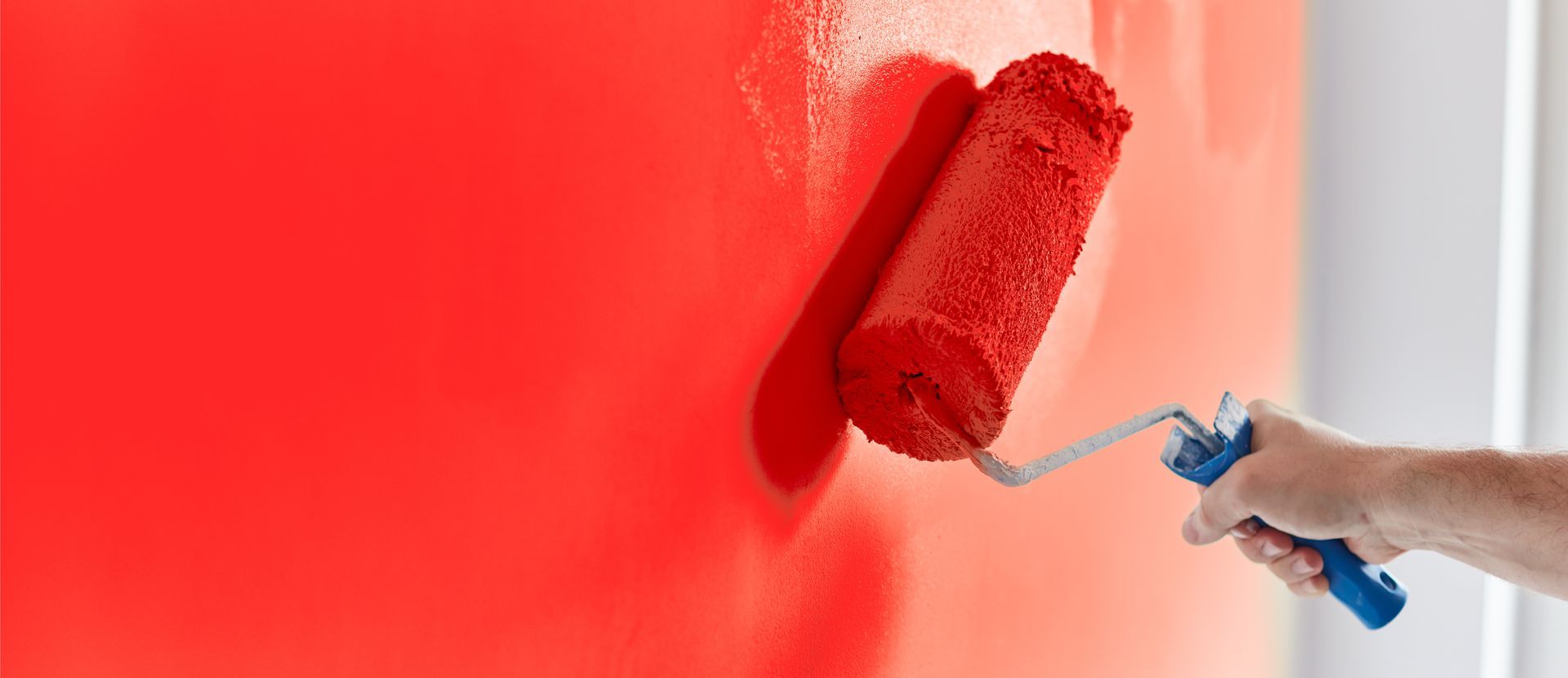
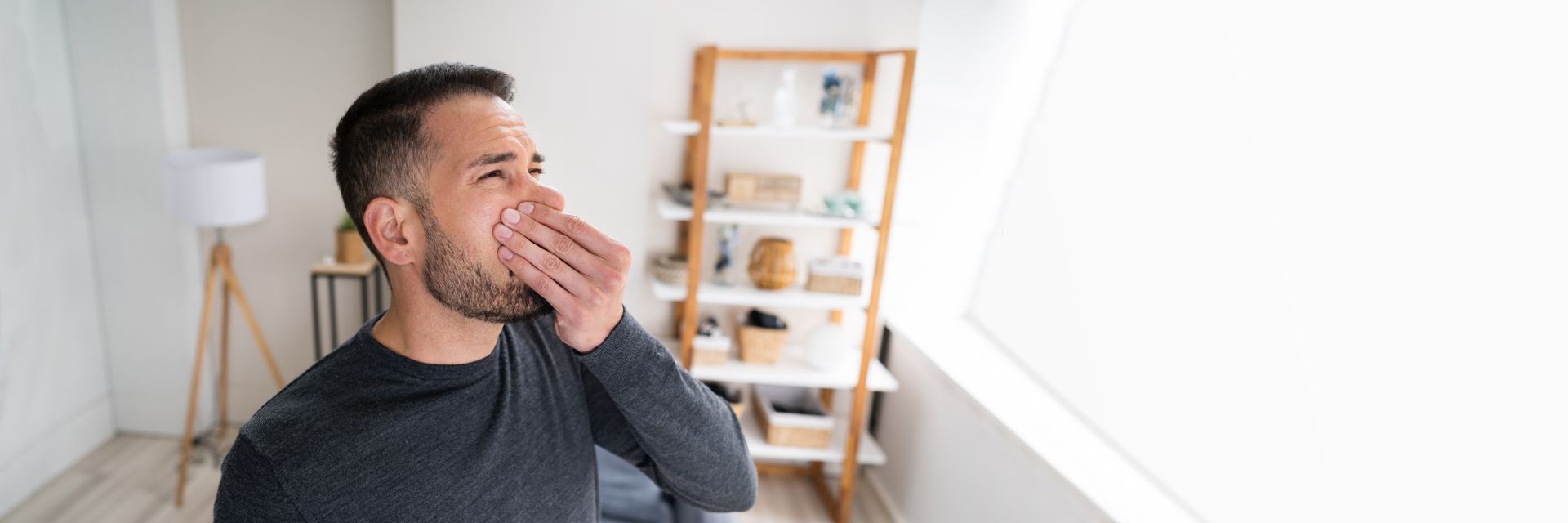
Fresh paint can improve the appearance of a smoke-affected home, apartment or commercial space. It does not automatically remove the source of cigarette odor.
Tobacco-smoke residue can settle on walls, ceilings, doors, cabinets, flooring, carpet, upholstery and other materials. Painting before those materials are evaluated and properly prepared may temporarily reduce the smell, but odor can become noticeable again.
For Raleigh property owners and managers, the better-value approach is to identify the affected materials first and paint at the correct point in the turnover process.
Why Smoke Odor Can Remain After Painting
Walls are only one possible odor reservoir. Smoke residue may also be present on or inside:
Ceilings, doors, trim and baseboards
Kitchen and bathroom cabinets
Closets and shelving
Carpet, padding and tack strips
Upholstery and window treatments
Unfinished wood and other porous materials
HVAC returns and replaceable filters
Items left inside the property
A fresh coat of paint may cover visible discoloration while untreated materials continue releasing odor.
The Correct Order for a Smoke-Odor Turnover
1. Document the Property’s Condition
Identify where the odor is strongest and whether smoking occurred throughout the property or primarily in certain rooms.
Photograph visible staining, affected materials and anything that may need cleaning or replacement.
2. Remove Disposable Sources
Remove cigarette waste, trash and unsalvageable belongings before evaluating the remaining odor.
Porous materials that are heavily contaminated or cannot be cleaned adequately may need replacement. This decision should be based on the condition of the material, not odor alone.
3. Clean Accessible Surfaces
Walls, ceilings, cabinets, doors and trim should be evaluated and cleaned with products and procedures appropriate for those surfaces.
Painting over an unprepared surface can interfere with adhesion and may leave contamination beneath the new coating.
4. Address Carpet and Upholstery
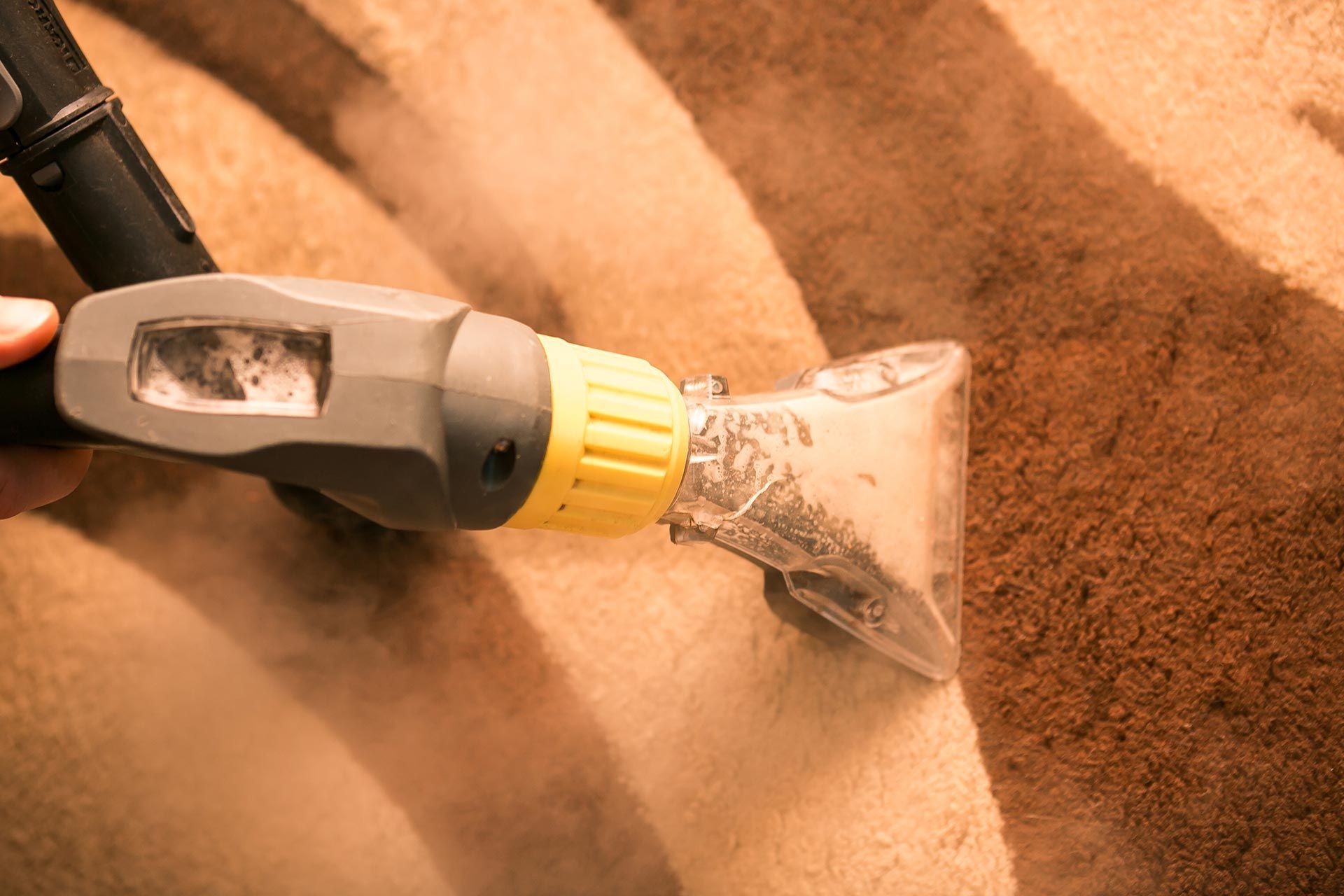
Carpet, padding, rugs and upholstered furniture can hold smoke odor independently of the walls.
Professional cleaning may be appropriate when materials remain serviceable. Heavily affected padding, carpet or furniture may require additional treatment or replacement.
5. Allow Everything to Dry
Do not prime or paint damp surfaces. Carpet and other cleaned materials should also be dried before the property receives its final odor evaluation.
6. Reassess Before Painting
Close the property for several hours after cleaning and drying, then perform another walkthrough.
Check closets, cabinets, bedrooms and areas where the odor was previously strongest. This helps separate remaining sources from odors that were successfully addressed.
7. Prime and Paint When Appropriate
A suitable primer and finish coating may be part of the restoration plan after the surfaces have been cleaned and prepared.
Paint should be treated as one part of the process—not the entire odor-removal strategy. No primer or paint should be presented as a guaranteed permanent solution for every smoke-affected property.
8. Consider Additional Odor Control
When a persistent odor remains after physical sources have been addressed, professional odor treatment may be appropriate.
The treatment should be selected according to the odor source, affected materials and occupancy conditions. Some treatments require people, pets and plants to remain outside the property during treatment and ventilation.
Why Correct Sequencing Provides Better Value
Repainting too early can lead to repeated labor, additional materials and a delayed move-in or listing date.
A better-value plan helps determine:
What can reasonably be cleaned
What may require replacement
Whether carpet or upholstery is contributing to the odor
When priming and painting should begin
Whether additional whole-property odor treatment is justified
The goal is to avoid paying for repeated treatments while an unidentified source remains inside the property.
Frequently Asked Questions
Can odor-blocking primer permanently eliminate cigarette odor?
Primer may help after appropriate cleaning and surface preparation, but it should not be treated as a permanent guarantee. Results depend on the severity of the contamination and all affected materials.
Should carpet be handled before painting?
Carpet and padding should be evaluated during the initial inspection. The correct sequence depends on whether they will be cleaned, treated or replaced.
Will opening the windows remove smoke residue?
Ventilation may reduce airborne odor temporarily. It does not physically remove residue from walls, cabinets, carpet or other materials.
Can ozone remove cigarette-smoke odor?
Ozone may be considered for certain odor-control situations, but it does not replace physical cleaning or material removal. Intentional ozone treatment also requires an unoccupied area and controlled ventilation and re-entry procedures.
Does an odor treatment certify that a property is free of thirdhand-smoke contamination?
No. Odor evaluation and treatment do not provide medical, toxicological or environmental clearance.
Request a Raleigh Smoke-Odor Evaluation
No Scents provides source-focused odor evaluations for Raleigh, Cary, Apex, Garner, Holly Springs and nearby Triangle properties. Call
866-378-6367
.