Why Are Dark Lines Appearing Around the Edges of My Carpet?
The Direct Answer
Dark lines around baseboards, underneath closed doors, beside stairs or around HVAC vents are often caused by filtration soiling.
Your carpet is unintentionally acting like an air filter. As air moves through tiny gaps underneath walls, doors and flooring, the carpet traps extremely fine particles—including soot, cooking residue, dust, candle emissions and other airborne contaminants.
These particles can become deeply embedded in the carpet fibers. That is why normal vacuuming and ordinary spot cleaners frequently fail to remove the discoloration.
What Does Filtration Soiling Look Like?
Common signs include:
- Thin gray or black lines along baseboards
- Dark areas underneath frequently closed doors
- Lines around stairs, closets or floor vents
- Darkening where carpet meets hard flooring
- A shadow-like border around the perimeter of a room
- Lines that return after ordinary cleaning
Filtration soil is frequently mistaken for mold, water damage or carpet wear. A professional inspection helps determine whether the discoloration is removable soil, permanent fiber damage or another problem.
Why Does Carpet Collect These Dark Particles?
Air naturally moves from areas of higher pressure to lower pressure. It looks for small openings underneath walls, doors, baseboards and flooring transitions.
When that air passes through carpet, the carpet fibers capture suspended particles much like an HVAC filter. The particles involved can be far smaller and more difficult to remove than ordinary tracked-in soil.
Possible contributors include:
- Candles and fireplaces
- Cooking smoke and grease
- Tobacco or vaping residue
- Dirty HVAC filters
- Air-pressure differences between rooms
- Gaps underneath walls and baseboards
- Poorly sealed ductwork
- Long periods between professional cleanings
Filtration lines do not automatically mean a home is unusually dirty. They often reveal an airflow or sealing issue that has developed slowly over several years.
Can Filtration Lines Be Removed?
They can often be improved significantly, but complete removal is not always possible.
The finest particles may penetrate deeply into the carpet yarn and accumulate over many years. Some soils may also chemically bond with the fiber or cause permanent discoloration.
Professional treatment may require:
- Detailed dry-soil removal
- A specialized filtration-soil cleaning product
- Controlled agitation along the carpet edge
- Adequate dwell time
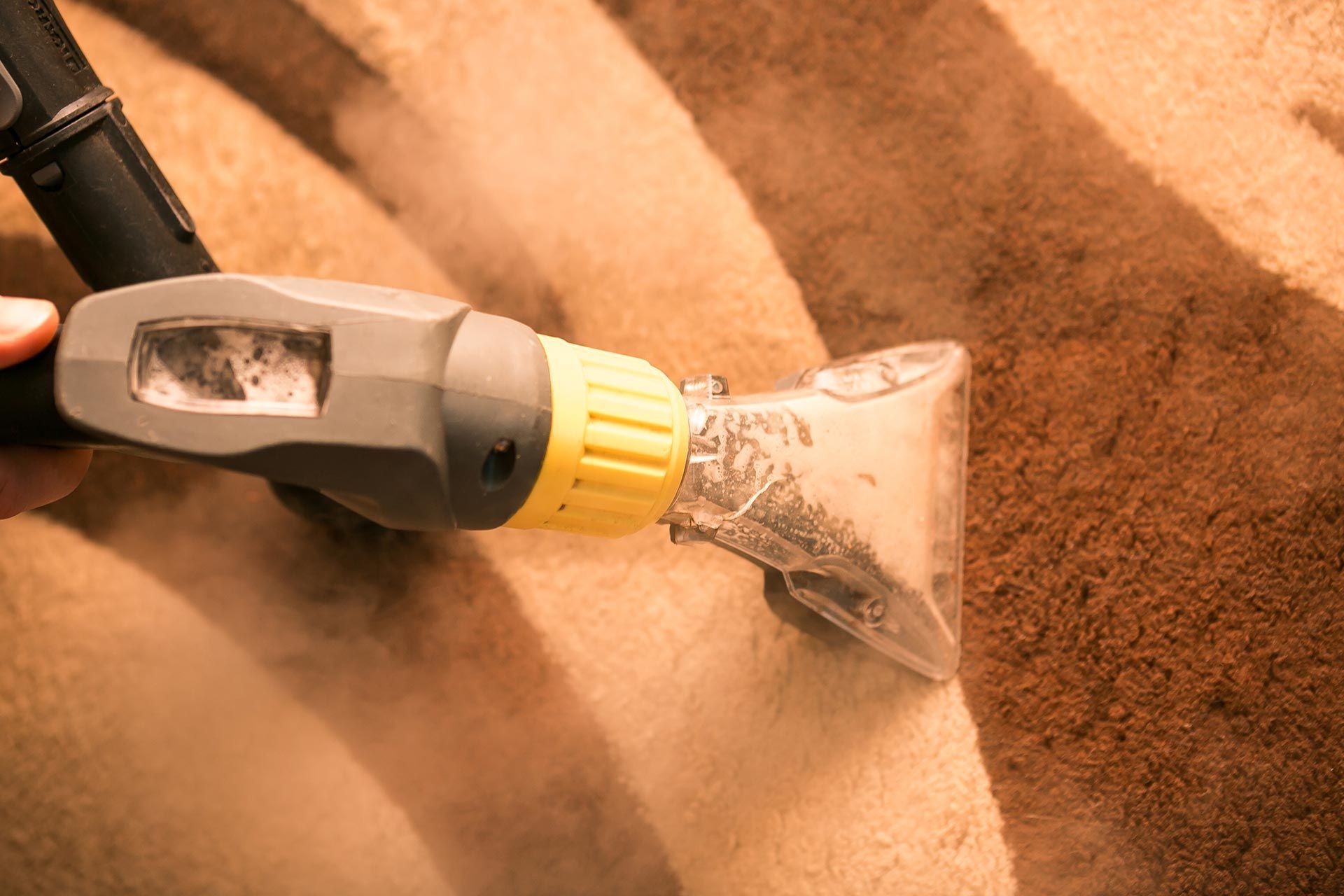
- Hot-water extraction or another fiber-appropriate rinsing process
- Thorough drying and a final appearance evaluation
Because the contamination is concentrated against walls, technicians must work carefully to avoid damaging baseboards, paint or carpet construction.
What Not to Do
Do not aggressively scrub the line
Hard scrubbing can fuzz, distort or permanently damage carpet fibers without removing the embedded particles.
Do not saturate the carpet edge
Too much liquid can reach the backing, padding, tack strip or wall materials. It may also create browning, slow drying or recurring soil.
Do not pour household degreasers onto the carpet
Products designed for kitchens, laundry or hard surfaces may leave residue, alter carpet color or damage the fiber.
Do not assume every black line is mold
Filtration soil, soot, adhesive discoloration, water damage and microbial growth require different corrective actions. Diagnose the source before choosing a treatment.
How Can Homeowners Help Prevent Filtration Soiling?
- Replace HVAC filters according to the system and filter manufacturer’s recommendations.
- Have suspected duct leaks or pressure problems evaluated.
- Reduce indoor smoke, candle soot and cooking emissions.
- Use kitchen and bathroom exhaust fans that vent outdoors.
- Vacuum carpet edges with a crevice tool before heavy accumulation develops.
- Ask a qualified contractor about sealing appropriate gaps beneath baseboards or wall plates.
- Schedule professional cleaning before the particles become deeply embedded.
Cleaning improves the carpet, but addressing the underlying airflow pathway is what helps slow the lines from returning.
When Should You Call HSquared?
Call for a professional evaluation when:
- The lines are dark, widespread or several years old
- Household products have not helped
- The discoloration follows walls, doors or stairs
- You are unsure whether it is soil, mold, wear or water damage
- The carpet is wool, natural fiber or otherwise sensitive
- The property is being prepared for sale, rental turnover or inspection
HSquared can inspect the carpet, explain realistic expectations and select a cleaning process appropriate for the carpet fiber and condition.
Frequently Asked Questions
Is filtration soiling caused by a dirty HVAC system?
Sometimes HVAC conditions contribute, but not always. The immediate cause is particle-laden air passing through the carpet. Filters, duct leakage, pressure differences and indoor particle sources may all play a role.
Will normal carpet cleaning remove the lines?
Routine cleaning may improve light accumulation, but older filtration soil generally requires detailed edge work and specialized treatment.
Will the lines come back?
They can return if air continues moving through the same gaps. Cleaning removes accumulated contamination; sealing or airflow correction addresses the pathway.
Are black carpet edges dangerous?
Color alone cannot determine whether something is hazardous. If there was a fire, water loss, suspected microbial growth or heavy smoke exposure, request an appropriate inspection.
Should I replace the carpet?
Not automatically. Have the carpet professionally evaluated first. Significant improvement may be possible, although permanent discoloration can remain in severe cases.
Can filtration lines occur in clean homes?
Yes. Even well-maintained homes contain fine airborne particles. The lines form gradually where the carpet repeatedly filters moving air.
Professional Carpet Cleaning Across North Carolina
HSquared Carpet Cleaning serves homeowners, property managers and businesses throughout the Charlotte, Lake Norman, Raleigh, Greensboro, Winston-Salem and Asheville regions.
If dark carpet edges are making an otherwise clean room look dirty, let HSquared determine what the lines really are—and what level of improvement is realistically possible.
Share Post
Recent Posts