Can Wet Carpet Be Saved After a Water Leak? What North Carolina Property Owners Should Know
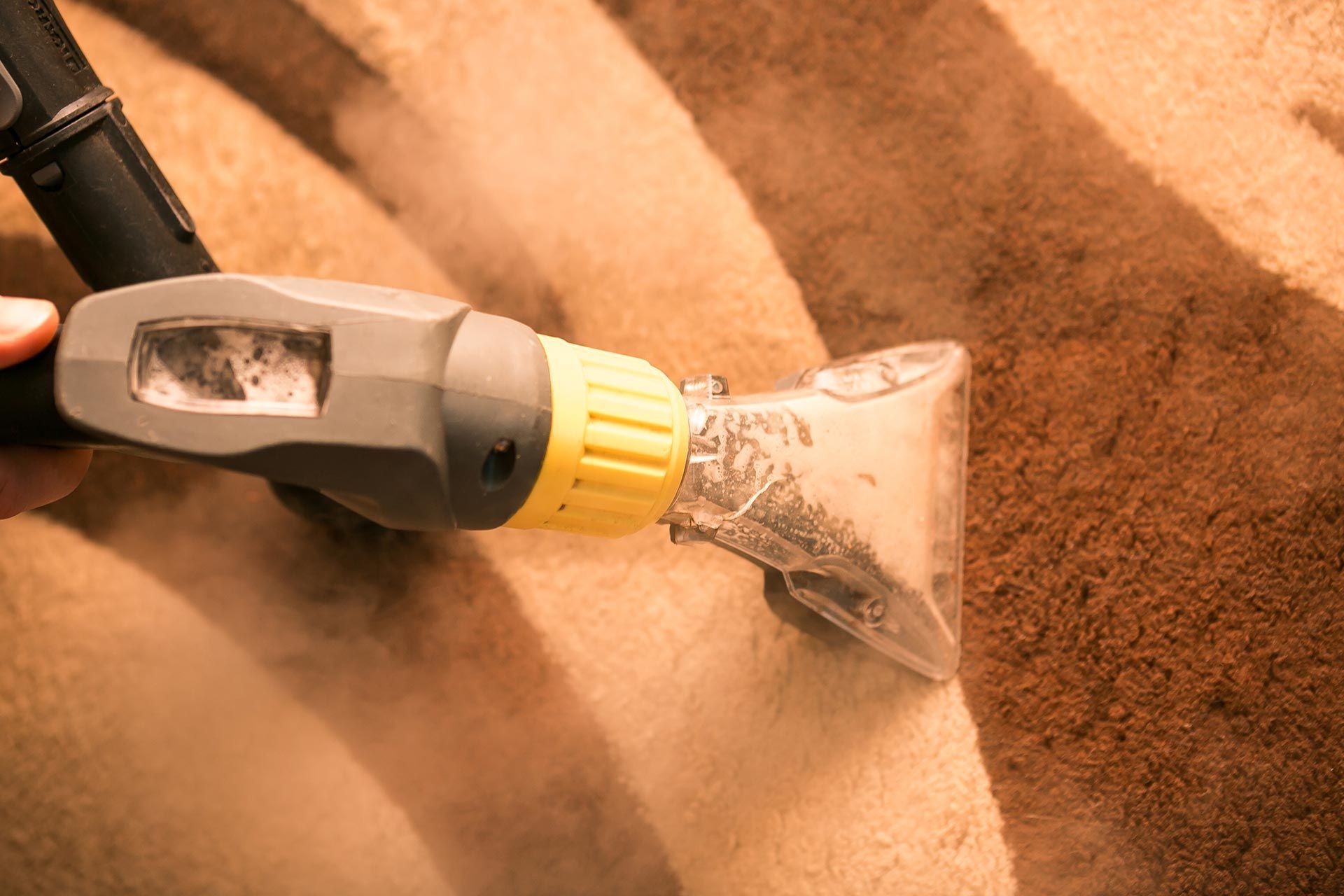
Wet carpet after a burst pipe, overflowing fixture, leaking water heater or appliance failure is not automatically a total loss. However, it is not automatically safe or practical to clean and reuse.
The correct decision depends on more than how the carpet looks or feels. Before deciding whether to dry or remove it, someone must evaluate the water source, time involved and every affected layer beneath the surface.
HSQUARED Carpet Cleaning provides 24-hour emergency water extraction and drying support across our North Carolina service regions, with dedicated service for Raleigh and surrounding Triangle communities.
The Six Questions That Determine Whether Carpet Can Be Saved
Before making a decision, evaluate:
- Where did the water come from?
- How long have the materials been wet?
- Did water reach the carpet padding?
- Is the carpet backing still intact?
- Did moisture reach the subfloor, baseboards or walls?
- Can every affected material be accessed and dried properly?
A professional evaluation can prevent two costly mistakes: replacing carpet that could reasonably be saved or paying to clean materials that should be removed.
Protect People Before Protecting the Carpet
Do not enter standing water when it may be touching electrical outlets, appliances, extension cords or damaged wiring.
Never use an ordinary household vacuum to remove standing water.
When it is safe, stop the water at the appropriate fixture or main shutoff. A plumber should repair the failed pipe, fixture or appliance. The water-extraction company removes the water that has already escaped and begins evaluating affected materials.
Identify Where the Water Came From
The source of the water is one of the most important considerations.
Water from a broken drinking-water supply line presents a different situation from water involving:
- Washing-machine or dishwasher discharge
- Toilet overflows
- Sewage backups
- Outdoor flooding
- Groundwater
- An unknown source
Do not assume water is clean because it looks clear or has no obvious odor. When the source is uncertain or potentially contaminated, avoid unnecessary contact and request a professional evaluation.
Time Matters After a Water Loss
Water can continue moving long after the visible puddle has been removed.
Moisture may travel into:
- Carpet fibers
- Carpet backing
- Padding
- Tack strips
- Baseboards
- Subflooring
- Drywall
- Insulation
- Adjoining rooms or units
The EPA recommends drying water-damaged materials within 24 to 48 hours when possible.
NC State Extension notes that padding affected by clean water for less than 48 hours may sometimes be restored when only a limited section is wet. When a large area of padding is saturated, complete drying can become more difficult and removal may be necessary.
These timeframes are guidelines, not guarantees. Temperature, humidity, water source, material condition and the amount of water involved also influence the decision.
A Dry Surface Does Not Mean the Structure Is Dry
Carpet can feel dry while moisture remains inside the padding or subfloor.
A complete inspection should consider:
- Carpet fibers and backing
- Padding underneath the carpet
- Tack strips and carpet edges
- Baseboards and lower wall materials
- Subflooring
- Adjoining rooms, closets or units
- Furniture and belongings resting on the carpet
Moisture readings, relative-humidity measurements and documented inspection points can help determine where the water traveled and whether the drying system is working.
Touch and appearance alone cannot confirm that concealed materials are dry.
When Carpet May Be Saved
Carpet may be a reasonable candidate for restoration when:
- The water source is appropriate for restoration
- The loss was discovered quickly
- The carpet backing remains intact
- The affected area can be accessed
- Standing water can be thoroughly extracted
- The carpet, padding and subfloor can be dried
- Permanent contamination or structural damage is not present
- Restoration makes financial sense compared with replacement
The carpet’s age and condition should also be considered. Spending heavily to restore carpet that was already worn or damaged may not provide good value.
When Removal May Be the Better Decision
Carpet or padding removal becomes more likely when:
- The water source is contaminated
- The materials remained saturated too long
- A large area of padding cannot be dried adequately
- The carpet backing has separated or deteriorated
- The padding is breaking down
- The subfloor needs direct access or repair
- Odor remains after extraction and drying
- The carpet was already badly worn
- Restoration costs approach reasonable replacement costs
Removing the padding does not necessarily mean the carpet must also be discarded. Each layer should be evaluated separately.
Can Household Fans Dry Wet Carpet?
Household fans can provide airflow, but they do not extract trapped water or confirm that materials underneath the carpet are dry.
A larger water loss may require:
- Professional water extraction
- Moisture detection
- Commercial air movers
- Dehumidification
- Relative-humidity monitoring
- Follow-up moisture readings
- Carpet or padding removal when necessary
Pointing a fan at the visible surface can create the impression that the problem has been corrected while moisture remains underneath.
Why Moisture Documentation Matters
A proper drying record should identify:
- The affected room or area
- The material being tested
- The approximate reading location
- The moisture reading obtained
- Relative-humidity conditions
- Equipment installed
- Equipment placement
- Follow-up readings
- Materials removed or retained
- Final documented conditions
Measurements taken before, during and after drying provide better information than a final visual inspection alone.
Better Value Comes From an Accurate Scope
The cheapest initial option is not always the best value.
Replacing carpet that can reasonably be restored creates an unnecessary expense. Repeatedly cleaning contaminated, damaged or persistently wet materials also wastes money.
A responsible water-extraction scope should explain:
- What materials appear affected
- What can reasonably be extracted and dried
- What may require removal
- How drying progress will be measured
- What limitations remain
- When retained materials have reached the established drying goal
- When final carpet cleaning or repairs should begin
HSQUARED’s objective is to help the property owner understand the situation before money is spent on unnecessary cleaning, premature replacement or an incomplete drying attempt.
Frequently Asked Questions
Is carpet padding always ruined after a water leak?
No. Padding affected by a limited amount of clean water may sometimes be restored when the loss is addressed quickly. Extensive saturation, contamination, material deterioration or delayed drying can make removal more appropriate.
Can wet carpet be dried without lifting it?
Sometimes, but it depends on the carpet installation, water source and amount of moisture underneath it. Access may be needed to evaluate the padding, tack strips and subfloor.
What if the water came from a washing machine?
Washing-machine discharge may contain detergent, soil and other contaminants. It should not automatically be treated like water from a clean supply line.
Can I wait until the next business day?
Waiting gives water additional time to spread into porous materials. HSQUARED provides 24-hour emergency water-extraction service for indoor water losses.
Will the carpet smell after it dries?
It may if contamination, damaged padding or hidden moisture remains. Odor should be investigated at its source instead of being covered with fragrance.
Does water extraction repair the broken pipe?
No. A plumber repairs the plumbing source. HSQUARED handles water extraction, moisture evaluation and drying support after the water has escaped.
North Carolina Emergency Water-Extraction Service
HSQUARED provides 24-hour emergency water extraction, moisture detection and drying support across our North Carolina service regions.
Raleigh and the Triangle
For Raleigh and surrounding Triangle communities, call:
Charlotte and the Lake Norman Area
For Charlotte, Huntersville, Mooresville and surrounding communities, call:
Greensboro, Winston-Salem and the Triad
For Greensboro, Winston-Salem and surrounding Triad communities, call:
Asheville, Hendersonville and Western North Carolina
For Asheville, Hendersonville and surrounding Western North Carolina communities, call:
Learn more about emergency water extraction:
https://www.hsquaredcarpetcleaning.com/water-clean-up
For non-emergency carpet cleaning and service requests:
https://www.hsquaredcarpetcleaning.com/request-free-estimate
Share Post
Recent Posts